Muvia: A Retro Font That Brings Vintage Charm to Modern Designs
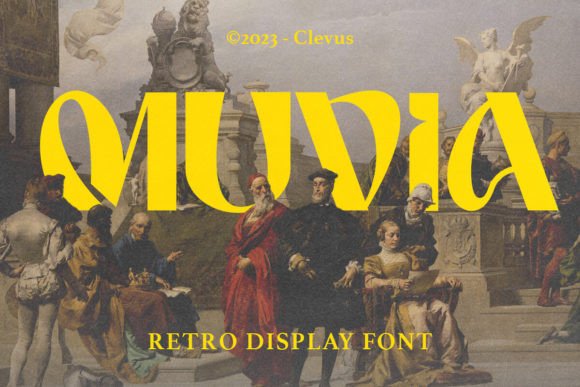
Sometimes a design needs more than just clean lines and contemporary minimalism. It needs personality, a bit of history, and a vibe that immediately transports the viewer to another era. That’s exactly where Muvia, a captivating reverse contrast retro display font, finds its purpose. It’s not just another typeface; it’s a visual shortcut to nostalgia, offering a distinctive character that can make a project feel instantly more memorable and engaging.
What makes Muvia stand out in a sea of vintage-inspired fonts? It starts with its core concept: reverse contrast. Unlike traditional serif or sans serif fonts where the horizontal strokes are thinner than the vertical ones, Muvia flips the script. The horizontal lines become bolder, creating a unique, almost quirky rhythm that catches the eye. This technique, popular in 19th-century display typography, gives Muvia its super funky, retro charisma. Combined with its unique glyphs and a range of weights and styles, it provides a versatile toolkit for designers looking to inject a specific mood into their work.
Where Does Muvia Fit in Your Creative Toolbox?
Think of Muvia as a specialty tool. You wouldn’t use it for body text in a long-form report, but for projects where impact and atmosphere are key, it shines. Its strength lies in headlines, logos, and short, punchy statements that need to grab attention instantly.
For branding and logo design, Muvia can be a game-changer. Imagine a craft brewery, a vintage clothing line, a record store, or a specialty coffee shop. Using Muvia in their logo or primary headline font immediately communicates a brand identity rooted in authenticity, craftsmanship, and a touch of playful nostalgia. It helps build brand recognition by creating a visual signature that’s both unique and emotionally resonant.
In packaging design, shelf appeal is everything. Muvia’s bold, distinctive letterforms can make a product stand out on a crowded shelf. It’s perfect for labels on artisanal goods, cosmetics with a retro aesthetic, or any product where the packaging needs to tell a story of heritage or uniqueness. The font itself becomes part of the product’s personality.
The digital space is another natural home for this typeface. Social media graphics and website headers need to stop the scroll. A well-chosen Muvia style can make a promotion, blog post title, or banner ad pop with visual energy. It’s particularly effective for creating a cohesive look for a series of posts or a campaign that has a vintage or eclectic theme. For bloggers and content creators, using Muvia for featured images or section headers can significantly improve the professional presentation and engagement of their content, making it more shareable and visually appealing.
Putting Muvia to Work: Practical Applications
Beyond logos and screens, Muvia’s charm translates beautifully into physical and editorial applications. Consider its use in:
- Posters and Event Flyers: Whether for a music festival, a community fair, or a gallery opening, Muvia sets a specific tone. Its retro vibe is perfect for events that want to feel classic, fun, or slightly countercultural.
- Merchandise and Apparel: T-shirts, tote bags, and hats with a vintage feel are perennial favorites. Muvia can create text-based designs that look like they’re straight out of a mid-century catalog, appealing to a market that values retro style.
- Invitations and Stationery: For weddings with a vintage theme, milestone birthday parties, or business event invitations, Muvia adds a layer of sophistication and thematic consistency that a standard script font might not achieve.
- Editorial Layouts and Book Covers: Magazine features, book titles, or chapter headings can benefit from the font’s strong presence. It helps guide the reader’s eye and establishes the publication’s aesthetic.
- Digital Products and Marketing Assets: From e-book covers to online course banners and email newsletter headers, Muvia helps create a professional, polished look that aligns with a specific brand identity, boosting audience engagement through cohesive design.
Making Muvia Work for You: A Designer’s Notes
Adopting a strong display font like Muvia requires some thoughtful application. Here’s some practical advice to ensure it enhances rather than overwhelms your project.
Start with the Right Style. Muvia typically comes in multiple weights (like Regular, Bold, Black) and sometimes stylistic alternates or different versions. Don’t just default to the boldest option. Test which weight best balances impact with the overall layout. A slightly lighter weight might offer better readability for longer headlines while still retaining the retro charm.
Prioritize Readability. This is crucial. Because of its reverse contrast and decorative nature, Muvia demands careful pairing. Use it for large, short text—headlines, subheads, pull quotes. For body copy or any text that needs to be read comfortably for more than a sentence, pair it with a highly legible sans serif font or a clean serif font. The contrast between the funky display font and the simple body font will actually make both more effective.
Master the Font Pairing. The goal is harmony, not competition. A good rule of thumb is to pair a highly stylized font like Muvia with something neutral and functional. Look for a premium font family that includes both a sans and a serif to create a complete typographic system. Test your pairings in context: does the headline font complement or clash with the body text? Does the overall feel match the project’s goals?
Consider the Context and Licensing. Before you commit, ensure the font’s commercial license covers your intended use. Is it for a client’s logo? For merchandise you plan to sell? For a website? Most reputable font licenses from foundries are clear, but it’s always your responsibility to check. Using a commercial font correctly protects you and supports the typographers who created it.
Review All Included Glyphs. Take time to explore the full character set. Muvia may include special ligatures, alternate characters, or symbols that can add extra flair to a design. Knowing what’s available allows you to use the font to its full creative potential, perhaps creating a custom logotype with a unique ligature that becomes part of your brand’s visual identity.
In the end, choosing a font like Muvia is a strategic design decision. It’s about selecting a tool that communicates a specific feeling and supports your project’s narrative. When used thoughtfully, it doesn’t just display words; it evokes an era, tells a story, and adds a punch of retro charisma that can truly elevate a design from ordinary to unforgettable. It’s a valuable asset for any designer, marketer, or creative entrepreneur looking to build a visually consistent and emotionally engaging brand.