Sunset: A Street Art Font for Bold Branding
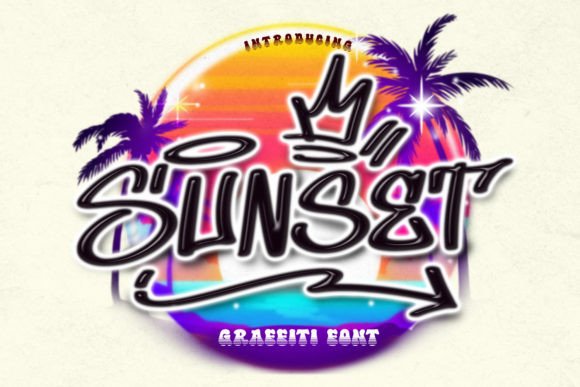
There's a certain energy to city walls after dark—layers of wheat-paste posters peeling at the edges, spray-painted murals catching the last light, typography that feels alive and a little rebellious. That's the world Sunset lives in. This graffiti-styled display font channels the raw, expressive spirit of street art into a typeface you can actually use for real projects. If you've been hunting for something that breaks away from the clean, corporate look and injects personality into your designs, Sunset might be exactly what you didn't know you needed.
What Makes This Typeface Stand Out
Sunset isn't trying to be subtle. Its letterforms carry the weight and texture of hand-sprayed paint, with irregular edges and a sense of movement that feels genuinely urban. Unlike many decorative fonts that sacrifice legibility for style, Sunset manages to stay readable at display sizes while still delivering that unmistakable street art vibe. The strokes have a confident, slightly imperfect quality—the kind of imperfection that actually makes a design feel more human and approachable.
What really sets this display font apart is its versatility across different creative contexts. It doesn't lock you into a single aesthetic. Pair it with minimalist layouts and you get modern edge. Use it alongside gritty textures and photography, and it feels right at home in an editorial spread or a music festival poster. The font carries its personality without overwhelming everything around it, which is a balance many decorative typefaces struggle to achieve.
Where This Font Actually Works in Practice
Let's talk about real applications, because a font is only as valuable as the projects it can serve. Sunset shines brightest in contexts where you want to grab attention fast and communicate attitude. Think about t-shirt designs for a streetwear brand—this font practically writes the brand story for you. The graffiti influence gives merchandise an authentic, culturally grounded feel that resonates with younger audiences and anyone who appreciates urban aesthetics.
For logo design, Sunset works particularly well for businesses that want to position themselves as bold, creative, or counter-cultural. A skate shop, an independent record label, a specialty coffee roaster with a rebellious streak, a community arts organization—these are the kinds of brands where this typeface makes immediate sense. It tells your audience something about who you are before they read a single word of your copy.
Packaging design is another strong use case. Limited-edition product runs, seasonal releases, or specialty items benefit from typography that feels special and collectible. Imagine a craft beer label, a hot sauce bottle, or a sneaker box set featuring Sunset as the hero typeface. The street art connection adds perceived value and cultural cachet that generic fonts simply can't deliver.
Social media managers and content creators, pay attention here. Social media graphics need to stop the scroll, and distinctive typography is one of the most effective ways to do that. Sunset works beautifully for Instagram stories, YouTube thumbnails, TikTok overlays, and promotional graphics where you need text to pop against busy backgrounds. Its bold character means it holds its own even at smaller sizes on mobile screens, though you'll want to keep your text short and punchy for maximum impact.
Don't overlook print materials either. Event posters, flyers for music venues, zine layouts, and editorial design projects all benefit from a typeface that carries visual weight. Sunset brings that handcrafted quality to physical prints in a way that feels intentional rather than generic. For invitations to launch parties, gallery openings, or creative industry events, it sets the tone immediately—this isn't going to be a stuffy affair.
Making It Work With Your Other Design Assets
One of the most practical things you can do with any display font is figure out what to pair it with. Sunset's personality is strong, so your supporting typography needs to complement without competing. A clean sans serif font for body text is almost always a safe bet—think something like a geometric or neo-grotesque style that provides contrast while maintaining readability. The key is letting Sunset do the heavy lifting for headlines and display text while your secondary font handles the longer reading.
For brand identity work, consider how Sunset fits into your broader visual system. It doesn't need to appear everywhere. In fact, it's often most effective when used strategically—on hero images, primary logos, or key marketing assets—while a more neutral serif font or sans serif handles everyday applications like business cards, website body copy, and internal documents. This approach gives you the best of both worlds: personality where it counts and professionalism where it matters.
Color pairing deserves some thought too. Sunset looks incredible against dark backgrounds, especially when rendered in bright, high-contrast colors like electric yellow, hot pink, or classic white. But don't be afraid to experiment with more unexpected combinations—a muted sage green or dusty coral against a charcoal backdrop can look surprisingly sophisticated while still honoring the font's urban roots.
Practical Considerations Before You Commit
Before you build an entire campaign around any premium font, test it thoroughly. Set your actual text—not just "The quick brown fox"—and see how it reads in context. Check the letter spacing at different sizes. Look at how individual characters interact with each other, especially combinations that appear frequently in your content. Some graffiti-inspired fonts have tricky kerning that needs manual adjustment, so budget time for that in your workflow.
Review what's included in the font package. Many creative fonts come with multiple styles—alternates, swashes, ligatures, or even multiple weights—that expand your design options significantly. Understanding what's available upfront helps you make the most of your investment and avoid discovering a useful alternate character three weeks into a project.
Licensing is another area where many designers and small business owners get tripped up. If you're using this font for commercial purposes—and that includes client work, merchandise you sell, or business marketing materials—make sure your license covers that use. Most reputable font foundries offer clear commercial licensing, but it's worth confirming before you print 500 t-shirts or launch a product line. The cost of a proper license is minimal compared to the legal headache of using a font without appropriate permissions.
Finally, think about your audience. Sunset speaks to a specific sensibility—people who appreciate urban culture, creative expression, and designs that feel authentic rather than manufactured. If that aligns with your brand and your customers, this typeface will feel like a natural extension of your visual identity. If your audience skews more traditional or corporate, you might reserve it for specific campaigns or product lines where a bolder voice is appropriate. The best typography choices aren't just about what looks cool—they're about what connects with the people you're trying to reach.