Blockline: The Athletic Display Font That Commands Attention
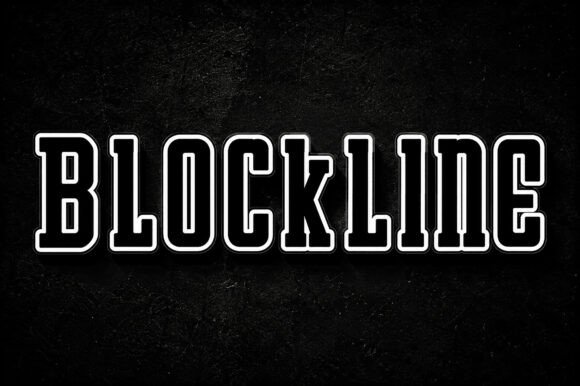
There's a moment in every design project where the typography either whispers or shouts. When you need to make a statement that's impossible to ignore—think championship banners, team logos, or that limited-edition sneaker drop—you need a typeface with built-in attitude. Blockline is that voice. This bold varsity display font doesn't just sit on the page; it takes up space with the confidence of a starting quarterback. Its thick, blocky letterforms and sharp outlines are engineered for impact, drawing directly from the rich visual language of American collegiate sports, vintage athletic wear, and classic stadium signage. It’s a typeface that feels both nostalgic and powerfully contemporary.
More Than a Font: A Brand Identity Powerhouse
For designers and brand builders, a typeface like Blockline is a strategic asset. Its visual personality is unmistakable—strong, structured, and inherently energetic. This makes it an exceptional choice for projects where establishing a clear, confident identity is paramount. Consider a local gym rebranding its identity. Using Blockline for the primary logo and membership cards instantly communicates strength, tradition, and a no-nonsense approach to fitness. It bridges the gap between retro appeal and modern boldness, which is a sweet spot for brands wanting to appear both established and relevant.
The practical applications extend far beyond sports teams. Think about a craft brewery launching a new IPA. The bold, outlined characters of Blockline can create stunning, shelf-stopping labels that evoke a sense of heritage and craftsmanship. For a streetwear brand, it’s the perfect tool for designing graphic tees, hoodies, and caps that resonate with a culture that values iconic, logo-driven design. The font’s robust structure ensures it remains legible and impactful even when printed on textured materials or displayed on busy backgrounds, a critical consideration for merchandise and packaging design.
Crafting Visual Consistency Across Platforms
One of the biggest challenges in modern marketing is maintaining a cohesive brand voice across every touchpoint. A premium font family like Blockline, often available in multiple weights and styles (such as regular, italic, and outline variations), provides the toolkit to solve this. You can use the heaviest weight for a website hero headline, a medium weight for subheadings in a brochure, and a light or outline style for social media graphics where you need bold typography without overwhelming the image. This systematic use of a single, strong typeface builds instant brand recognition. Your audience learns to associate that specific, powerful lettering with your business, whether they see it on an Instagram story, a product package, or a billboard.
This principle is crucial for digital products and content creators. A blogger focusing on fitness or outdoor adventures can use Blockline for article titles and chapter headings in downloadable guides, creating a professional, branded experience that feels curated and intentional. Similarly, for event invitations—whether it's a sports banquet, a vintage car show, or a themed party—the font sets the tone immediately, telling guests exactly what kind of experience to expect before they read a single word of the details.
Pairing with Purpose: Balancing Boldness and Clarity
A display font like Blockline is designed to headline. Its strength is in grabbing attention, so it shouldn't be used for long paragraphs of body copy. The key to using it effectively lies in thoughtful font pairing. To let Blockline truly shine, pair it with a highly readable, neutral sans-serif font or even a classic serif for body text. This contrast creates a clear visual hierarchy. Your headlines become dynamic focal points, while your supporting text remains easy to scan and digest. Imagine a poster for a local 5K race: Blockline could announce the event name and date in a massive, graphic block, while a clean sans-serif provides the registration details and route information below.
Before finalizing a design, always test your pairings in context. Mock up a business card, a mobile app screen, or a t-shirt graphic. Check the readability at different sizes—what looks great as a 100-point headline might become illegible at 12 points. Reviewing the full character set of the font is also essential. Does it include the numerals, punctuation, and special characters your project requires? Understanding these details ensures your final product is not only visually stunning but also functionally flawless.
The Commercial Consideration
When selecting a creative font for any project that will be used commercially—from client work to selling merchandise on your own website—the licensing is a non-negotiable factor. Always verify that the font license permits the specific use you have in mind. Reputable foundries and marketplaces provide clear licensing terms for desktop, web, app, and server use. Investing in a properly licensed commercial font protects you legally and supports the type designers who create these essential tools. It’s a professional practice that ensures your bold, athletic designs are built on a solid, ethical foundation.
Ultimately, a typeface is a tool for communication. Blockline excels at communicating one thing brilliantly: unapologetic confidence. It’s for the projects that need to stand out in a crowded market, for brands that want to evoke a sense of legacy and strength, and for designs that aim to energize and inspire. By understanding its personality and applying it with strategic consideration for pairing, context, and licensing, you can harness its power to create work that doesn’t just get seen—it gets remembered. In the toolbox of modern typography, having a font that can dominate a layout is not just an advantage; it’s a necessity for making a lasting impression.