Fires: A Display Typeface That Demands Attention
Some design projects need to whisper. Others need to roar. For those moments when subtlety won't cut it—when you need a headline that stops the scroll, a logo that lingers in memory, or packaging that leaps off the shelf—you need a typeface built for impact. Fires is exactly that kind of font: a bold, all-caps display typeface crafted for creators who refuse to blend into the background. With its striking artistic personality and polished finish, it's a tool designed to make every letterform a visual event.
Understanding the Visual Power of This Premium Font
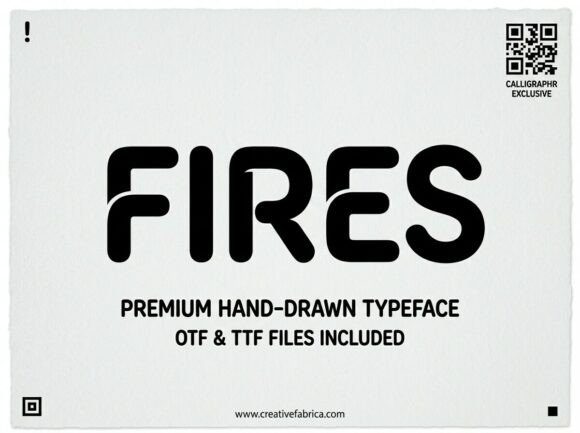
Fires isn't trying to be everything. It knows exactly what it is—a high-impact display font meant for moments where visual drama matters most. Every uppercase letter carries deliberate weight, unique artistic details, and a confident presence that commands attention without sacrificing professionalism. Think of it as the typographic equivalent of a statement piece in fashion: it's not for everyday body text, but when deployed strategically, it transforms ordinary designs into memorable visual experiences.
The character set features distinctive shapes and proportions that give Fires its unmistakable personality. Unlike neutral sans serif fonts that recede into the background, this typeface has opinions. The letterforms carry subtle flourishes and structural choices that feel both modern and timeless, making it versatile enough for contemporary branding while possessing enough character to stand apart from generic display fonts flooding the market.
Where This Creative Font Truly Shines
The beauty of a strong display typeface lies in its ability to elevate specific design elements. Fires excels precisely where you need a single word or short phrase to carry enormous visual weight. Here's where designers and creators are finding the most value:
Logo Design and Brand Identity — A logo needs to be recognizable at a glance and unforgettable over time. Fires gives brand marks an instant sense of authority and artistry. For boutique businesses, creative agencies, artisan brands, or entertainment ventures, this typeface provides a foundation that feels premium without being pretentious. The all-caps structure reinforces confidence, while the artistic details prevent it from feeling corporate or cold.
Packaging Design — Shelf competition is brutal. Products have roughly three seconds to communicate their value before a customer's eyes move to the next option. Fires makes those seconds count. Whether you're designing labels for craft beverages, cosmetics, specialty foods, or subscription boxes, this font grabs attention and communicates quality instantly. It pairs beautifully with both minimalist layouts and more elaborate decorative compositions.
Social Media Graphics and Digital Content — In feeds saturated with content, typography often makes the difference between engagement and invisibility. Fires works exceptionally well for quote graphics, announcement posts, sale banners, and thumbnail text where readability at various screen sizes matters. The bold, clean letterforms maintain their impact whether viewed on a desktop monitor or a mobile phone.
Poster and Editorial Design — Magazine covers, event posters, book covers, and editorial spreads all benefit from a typeface that can anchor a layout with authority. Fires provides that anchor point, giving designers a strong visual center around which other elements can arrange themselves. It's particularly effective for entertainment, fashion, music, and lifestyle publications.
Merchandise and Print Materials — T-shirts, tote bags, mugs, stickers, and promotional materials often rely on short, punchy text to communicate a message or brand. Fires handles these applications naturally, delivering designs that look polished and intentional rather than like an afterthought.
Practical Considerations for Working With All-Caps Typography
Since Fires is an uppercase-only typeface, understanding how to work within that constraint is essential for getting the best results. All-caps typography carries inherent strengths and limitations worth considering before you begin designing.
Readability is the primary consideration. Long passages set entirely in uppercase letters are harder to read than mixed-case text because we recognize words partly by their overall shape—a pattern that disappears when every letter sits on the same baseline height. This is precisely why Fires is positioned as a display font rather than a body text solution. Use it for headlines, subheadings, logos, and short impactful phrases. For supporting text, paragraphs, and longer copy, pair it with a complementary serif font or sans serif font that includes a full character set.
Spacing and tracking deserve attention too. All-caps text often benefits from slightly increased letter spacing, which improves legibility and gives the typography room to breathe. Experiment with tracking values in your design software to find the sweet spot where the letters feel connected but not cramped. Fires ships in OTF and TTF formats, ensuring compatibility with virtually any design application you prefer—whether that's Adobe Creative Suite, Affinity Designer, Canva, Procreate, or standard office software.
Pairing Fires With Other Typefaces
No font exists in isolation, and smart typography is almost always about relationships between typefaces. Fires pairs best with fonts that complement rather than compete with its personality. A few approaches worth testing:
- Clean sans serif fonts — Pairing Fires with a geometric or humanist sans serif creates a modern, balanced composition. The display font handles the drama while the sans serif quietly delivers supporting information.
- Classic serif fonts — Combining a bold display typeface with an elegant serif creates visual contrast that feels sophisticated. This works particularly well for editorial design, luxury branding, and formal invitations.
- Simple script or handwritten fonts — For projects that need warmth alongside impact, a casual script font can soften the boldness of Fires without undermining its presence. This pairing works well for lifestyle brands, wedding materials, and boutique packaging.
The key principle is contrast in weight, style, and personality. If Fires is your star player, make sure the supporting cast plays a different position. Testing pairings in context—within your actual layout, at actual sizes—matters far more than choosing fonts in isolation.
Making Smart Typography Decisions for Your Project
Choosing a font should always start with your project's goals rather than personal taste. Ask yourself what you need the typography to communicate. A font like Fires sends a specific message: confidence, creativity, and visual boldness. That message aligns beautifully with certain brand identities and project types but might clash with others. A law firm's legal documents probably aren't the right context. A music festival's promotional campaign absolutely is.
Consider your audience's expectations and your brand's existing visual language. If you're building a brand identity from scratch, a typeface like Fires can help establish a creative, distinctive personality from day one. If you're working within an established brand system, test it against your existing assets to ensure it enhances rather than disrupts your visual consistency.
Also worth noting: Fires comes with standard commercial licensing, meaning you can use it across client projects, merchandise, digital products, and marketing materials without worrying about usage restrictions for most common applications. Always review the specific license terms before purchase to confirm they align with your intended use, particularly for large-scale commercial distribution or embedding in software products.
Bringing It All Together
The right typeface at the right moment can be the difference between a design that communicates and one that truly connects. Fires gives you a powerful tool for those specific moments when you need typography to do more than just display words—when you need it to make a statement, establish a mood, and leave a lasting impression. Used thoughtfully and paired with complementary fonts for supporting content, it becomes a valuable addition to any designer's toolkit. Whether you're crafting a brand identity, designing product packaging, building social media templates, or creating marketing materials that demand attention, this display font provides the visual authority your project deserves.