Grove: The Groovy 70s Display Font for Creative Projects
There’s something magnetic about the 1970s aesthetic—bold colors, organic shapes, and a sense of free-spirited creativity that feels both nostalgic and fresh. If you’ve been searching for a typeface that captures that retro charm while remaining versatile for modern design, Grove might just be the answer. This groovy, boho-inspired display font brings a playful energy to any project, from branding and logos to social media graphics and print materials. It’s the kind of font that doesn’t just sit quietly on the page; it makes a statement.
What Makes Grove Visually Distinctive?
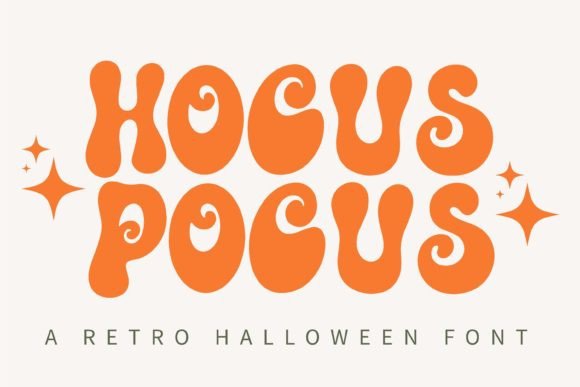
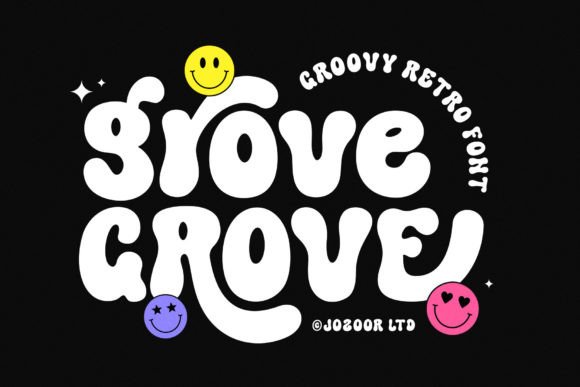
Grove is a display font, which means it’s designed to catch the eye rather than serve as body text. Its rounded, flowing letterforms evoke the hand-drawn, psychedelic style popular in 70s posters and album covers, but with a clean, polished edge that works in contemporary design. The font often includes stylistic alternates, ligatures, and swashes, giving you flexibility to customize headlines, logos, or quotes. Unlike a classic serif font or a minimalist sans serif, Grove has personality—it feels fun, approachable, and slightly retro without crossing into parody. This makes it a strong choice for projects that need to stand out while still feeling cohesive and professional.
Practical Applications for Grove in Design and Branding
One of the strengths of Grove is its versatility across different mediums. For small business owners or entrepreneurs, using a distinctive display font like this can help build brand recognition. Imagine a boutique coffee shop using Grove for its logo and menu boards—the retro vibe could evoke warmth and nostalgia, making the brand feel more inviting. Similarly, a wellness brand or a handmade goods seller might use Grove on packaging to communicate a boho, artisanal aesthetic. The font’s boldness makes it ideal for headlines on websites, blog post titles, or featured quotes that need to grab attention quickly.
Content creators and marketers can leverage Grove for social media graphics. In a crowded Instagram feed, a well-designed post with a unique font can stop the scroll. Grove works particularly well for inspirational quotes, announcement graphics, or promotional banners where you want to inject some personality. For print materials like posters, flyers, or invitations, its retro style can set the tone for an event—think music festivals, vintage markets, or themed parties. Even in editorial design, such as magazine layouts or book covers, Grove can add visual interest to chapter titles or pull quotes.
How the Right Font Improves Visual Communication
Choosing a font isn’t just about aesthetics; it’s a strategic decision that affects how your message is received. A playful, retro typeface like Grove can enhance audience engagement by making your content feel more relatable and memorable. For example, a nonprofit using Grove for a campaign poster might evoke a sense of community and joy, encouraging people to participate. In contrast, a luxury brand might opt for a more refined serif font to convey elegance. The key is matching the font’s personality to your project’s goals. Grove excels when you want to convey creativity, warmth, or a nostalgic touch.
Visual consistency is another critical factor in design. When you use Grove across multiple touchpoints—your website, social media, packaging, and marketing assets—it helps create a cohesive brand identity. People start to associate the font with your business, which builds recognition over time. However, it’s important to pair Grove thoughtfully with other fonts. For body text, you’ll want something highly readable, like a clean sans serif or a simple serif font. Testing font pairings in mockups before finalizing your design ensures that the overall look is balanced and professional.
Practical Tips for Using Grove Effectively
Before diving into a project with Grove, consider a few practical aspects. First, review the included font styles and glyphs. Many premium fonts come with multiple weights, alternates, or special characters that can add flair to your designs. Experiment with these options to see how they enhance your typography. Second, think about readability. While Grove is eye-catching, it’s best used for short bursts of text like headlines or logos, not for long paragraphs. At smaller sizes, its decorative details might become hard to read, so test it at the intended display size.
Licensing is another important consideration, especially for commercial use. If you’re using Grove for client work, merchandise, or digital products, ensure you have the appropriate commercial license. Many font designers offer different tiers for personal versus commercial use, so read the terms carefully to avoid legal issues down the line. Finally, don’t be afraid to mix Grove with other typefaces. Combining a bold display font with a neutral sans serif can create a dynamic hierarchy that guides the viewer’s eye and keeps your design clean.
Bringing Creative Ideas to Life with Grove
Ultimately, a font like Grove is a tool to express your brand’s unique voice. Whether you’re designing a logo for a new startup, creating social media content for a blog, or crafting invitations for a special event, this typeface offers a way to infuse your work with retro charm and creative energy. It’s not about following trends blindly, but about choosing design assets that align with your vision and resonate with your audience. Grove’s groovy, boho style might be the missing piece that transforms a good design into something truly memorable—so why not give it a try and see where it takes your next project?