Playful Bubble: A Retro Font for Modern Creative Projects
There's a certain magic in a font that can make you smile before you've even read the words. It’s the visual equivalent of a bubble bath—light, joyful, and impossible to ignore. That’s the immediate feeling Playful Bubble delivers. This isn't just another display font; it's a design tool built for injecting instant personality and approachability into any project. With its bold, rounded letterforms and unmistakable retro charm, it captures a sense of fun that resonates across generations, making it a surprisingly versatile asset for professionals and hobbyists alike.
Where Retro Charm Meets Practical Design
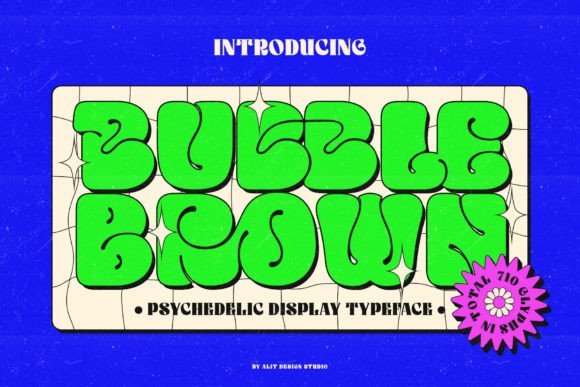
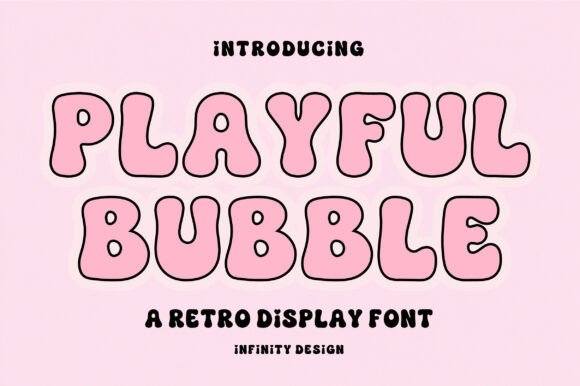
At its core, Playful Bubble is a cute retro display font that leans into the aesthetic of vintage signage and classic toy packaging. Its letters are generously rounded, with soft edges and a substantial weight that commands attention without feeling aggressive. This visual warmth is its greatest strength. In a design landscape saturated with sharp, minimalist sans-serifs and formal serifs, Playful Bubble offers a breath of fresh air. It communicates approachability, creativity, and a childlike sense of wonder, making it a powerful tool for specific communication goals.
Think about the last time a piece of design genuinely made you feel happy. Chances are, it used typography that felt friendly and inclusive. Playful Bubble excels in this space. For a small business owner creating packaging design for artisanal snacks or children's products, this font can instantly set a welcoming tone. A content creator designing social media graphics for a giveaway or a celebration will find that its bubbly style boosts engagement and shares. It’s a premium font that understands the value of emotional connection in visual communication.
Practical Applications for the Savvy Creator
The true test of any design asset is how it performs in the wild. Playful Bubble’s character set, which includes uppercase letters, numbers, and symbols, is intentionally streamlined for impact. It’s not a workhorse body text font; it’s a headline hero, a logo cornerstone, and a branding accent. Here’s how different creators can leverage its strengths:
- For Brand Identity & Logo Design: If your brand’s voice is playful, youthful, or nostalgic, Playful Bubble can be the cornerstone of your logo design. Imagine it for a family-run bakery, a toy store, a kids' clothing line, or a creative workshop studio. It’s perfect for wordmark logos, adding immediate personality that’s hard to forget.
- For Marketing & Merchandise: Its bold weight and clear shapes ensure it remains impactful when scaled down for stickers or blown up for posters. It’s an excellent choice for event posters, sale banners, and merchandise like t-shirts and tote bags. The retro vibe also taps into popular nostalgia trends, making it timely for campaigns.
- For Digital Products & Editorial Layouts: In web design, use it for attention-grabbing headers or call-to-action buttons. Bloggers can use it for post titles that stand out in a feed. For editorial design, think chapter headings in a cookbook or title pages in a children’s activity book. Its clarity at size makes it reliable for these focused applications.
- For Invitations & Craft Projects: This is where the font truly shines for hobbyists. Designers on Canva, crafters using Cricut, and artists in Procreate will find it invaluable for creating party invitations, birthday cards, scrapbook elements, and personalized labels. Its fun bubbly style adds a handmade, heartfelt touch that pre-made graphics often lack.
Pairing for Polish: Making Playful Bubble Work for You
A great font doesn’t work in isolation. The key to professional presentation is thoughtful font pairing. Playful Bubble, being a strong display font, needs a partner that complements without competing. A good rule of thumb is to pair it with a clean, simple sans serif font or a subtle serif font for body text. This creates a hierarchy that is easy for the eye to navigate.
For example, if you’re designing a poster, set your main headline in Playful Bubble. Use a legible sans-serif like Montserrat or Lato for the date, location, and details. This maintains readability while letting the playful headline do the emotional work. In branding, you might use Playful Bubble for your logo and tagline, then pair it with a neutral sans-serif for all other business collateral—business cards, website copy, invoices—to ensure visual consistency and a professional presentation across all touchpoints.
Always test your pairings in context. Does the combination look balanced on a mobile screen? Does it print clearly on a textured paper? Does it maintain its charm when used in a monochrome color scheme? Taking the time to test ensures your final product feels cohesive and intentional, which directly boosts brand recognition and audience trust.
A Smart Addition to Your Creative Toolkit
Choosing the right typeface is a strategic decision. It’s not just about what looks cool in the moment; it’s about finding a tool that serves your project’s goals and resonates with your intended audience. Playful Bubble is a specialist. It’s the font you reach for when you need to convey joy, nostalgia, or approachable creativity. It’s a commercial font designed for real-world use, meaning its licensing typically covers a wide range of applications from digital to print, making it a safe and valuable investment for your growing library of design assets.
Before you commit, review the included styles. Does it offer the weight variations you need? Are the symbols and numbers designed with the same care as the letters? Ensuring the font is technically complete for your needs is a crucial step often overlooked in the excitement of finding a visually appealing option.
Ultimately, Playful Bubble is more than just letters on a page. It’s a mood. It’s a conversation starter. For the designer looking to break from the mundane, the entrepreneur building a relatable brand, or the crafter adding a personal touch, it provides a direct line to that playful, creative spark we all want to share. It reminds us that good design isn’t always serious—sometimes, it’s just about having a little fun.