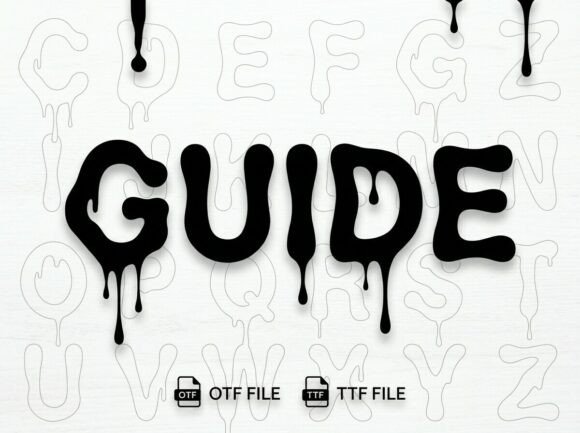
Guide: A Display Typeface for Unforgettable Branding
There's a moment in every creative project where you need a visual element that does more than just communicate words—it needs to capture a feeling. You're designing a logo for a new boutique, laying out a magazine cover, or crafting the header for a website, and the standard fonts in your library just won't cut it. They're fine, but they lack the specific punch required to make your audience stop scrolling and truly look. This is the exact challenge that Guide was created to solve. It's a decorative display font that doesn't just sit on the page; it demands the spotlight, offering a unique artistic voice for projects that refuse to blend into the background.
Understanding the Personality of Guide
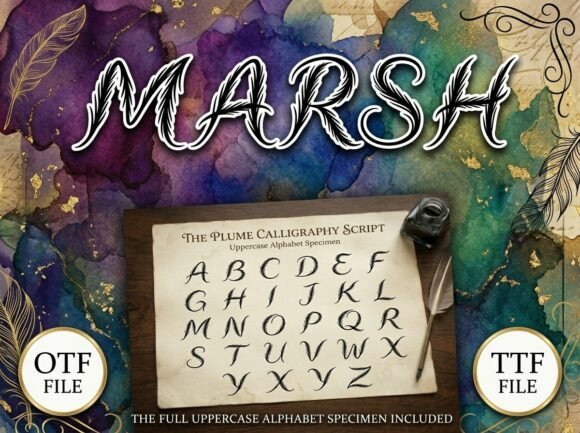
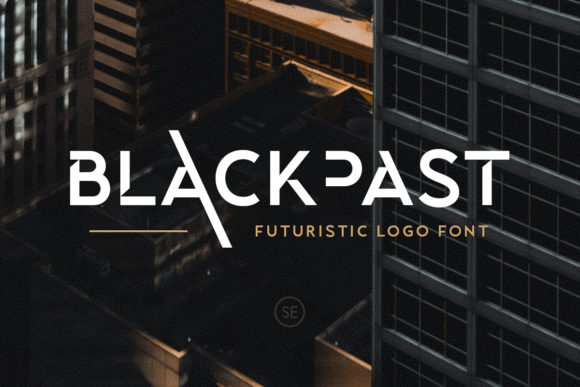
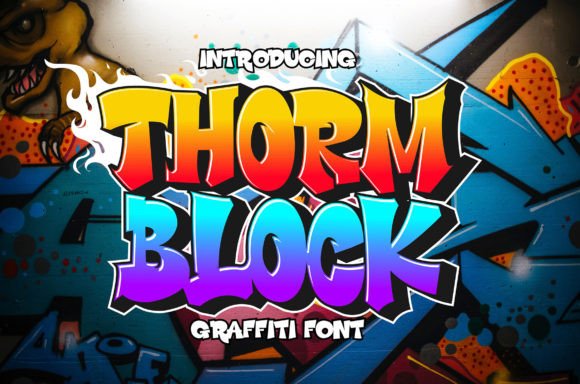
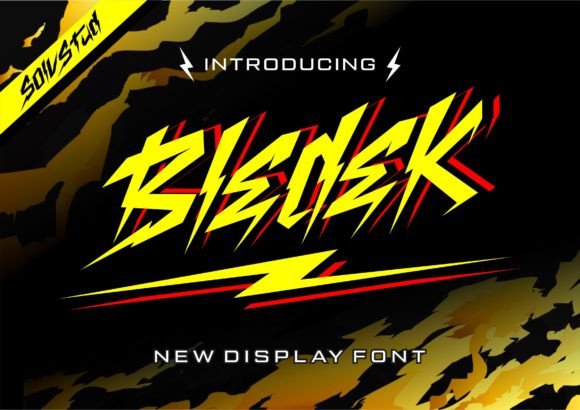
At its core, Guide is a premium font with a bold, artistic personality. Think of it as the statement piece in a room full of neutral furniture. Its character comes from unique design flourishes and a strong visual presence that immediately sets it apart from more common sans serif or serif typefaces. This isn't a workhorse font for body text; it's a specialized tool designed for high-impact moments. The key feature to remember is that it's an ALL-CAPS typeface. Every letter is crafted as a miniature work of art, optimized for scenarios where uniformity and visual weight are paramount. This makes it exceptionally effective for headlines, logos, and decorative initials where you want every character to contribute to a cohesive, powerful statement.
Practical Applications for Creative Professionals
The versatility of a strong display font like this lies in its ability to adapt to different creative contexts while maintaining its core identity. Its value isn't theoretical; it's realized in the tangible projects where first impressions are everything. Here’s how different creators can put it to work:
- Brand Identity & Logo Design: For a brand that positions itself as innovative, artistic, or luxurious, Guide can become the cornerstone of its visual identity. Imagine it on a logo for a high-end fashion label, an artisan coffee roaster, or a contemporary art gallery. The font's distinctive letterforms ensure the brand name is memorable and visually consistent across all touchpoints, from business cards to storefront signage.
- Packaging Design: On a crowded shelf, packaging has mere seconds to attract attention. Using Guide for product names or key descriptors on labels for cosmetics, gourmet foods, or specialty beverages can instantly communicate quality and a creative spirit, helping the product stand out as a curated experience.
- Editorial & Print Layouts: Magazine covers, book titles, and poster headlines benefit immensely from a typeface with such strong visual character. It can set the tone for an entire publication—be it edgy, elegant, or avant-garde—and draw readers into the content.
- Digital Presence: In the fast-paced world of web design and social media graphics, grabbing attention is critical. Guide is perfect for hero section headlines on websites, impactful YouTube thumbnails, or Instagram story titles that need to be readable and engaging even at a glance. Its all-caps nature ensures clarity in dynamic digital environments.
- Marketing & Merchandise: From event posters and promotional flyers to branded merchandise like tote bags and t-shirts, this font adds a layer of professional artistry. It helps marketing assets feel cohesive and premium, reinforcing brand recognition with every piece of collateral.
Integrating Guide into Your Design Workflow
Adopting a new creative font is about more than just liking how it looks in isolation. It's about understanding how it functions within your broader design ecosystem. Here’s some practical advice for working with a typeface like Guide:
- Prioritize Font Pairing: Because Guide is so expressive, it pairs best with simpler, more neutral typefaces for supporting text. A clean sans serif for body copy or a straightforward serif for subheadings will provide a necessary visual rest and ensure your overall design remains balanced and readable. The contrast allows the display font to shine without overwhelming the viewer.
- Test for Readability in Context: Always preview the font at the actual size and in the medium it will be used. A headline that looks magnificent on your monitor might need slight tracking adjustments when printed on a small product label. Its all-caps design is optimized for impact, so ensure the message remains clear at its intended scale.
- Review the Included Files: Your purchase includes both OTF and TTF files. The OTF is the professional standard, offering advanced typographic features for software like Adobe Creative Suite. The TTF ensures universal compatibility across different operating systems and basic design tools, making it a reliable asset for any project or collaborator.
- Consider Commercial Licensing: If you're using the font for client work, merchandise, or any project where you receive payment, it's essential to ensure you have the correct commercial license. This protects both you and the font creator and is a standard part of professional practice with any commercial font.
Ultimately, choosing a typeface like Guide is a strategic decision to inject personality and professionalism into your work. It's for the designer who understands that typography is a fundamental component of visual communication, the entrepreneur building a memorable brand identity, and the creator who wants their project to feel intentional and distinctive. By leveraging its unique strengths for the right applications, you can transform a good design into one that truly resonates and engages your audience on a deeper level.