Denny: The Bold Display Typeface for Unforgettable Brands
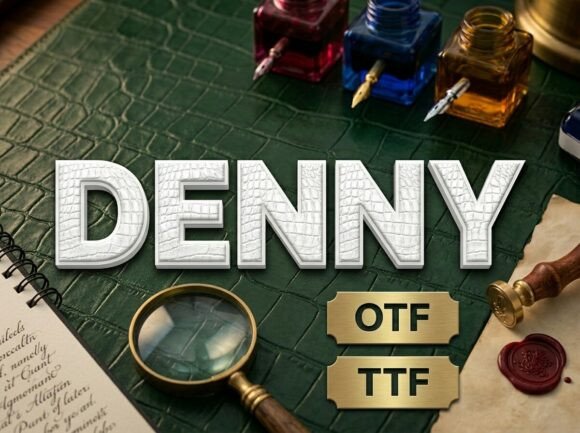
Some design projects demand more than just legibility; they require a visual exclamation point. You know the feeling when a headline needs to scream confidence, a logo needs to feel like a solid stamp of quality, or a social media post needs to stop the endless scroll? That is the specific territory where Denny operates. It isn’t a font for writing long paragraphs of body text; it is a strategic asset for high-impact visuals. Designed as a stunning decorative display font, Denny is built to be the center of attention, featuring unique artistic elements that break away from the ordinary. For creators and entrepreneurs who need their typography to do heavy lifting, this typeface offers a blend of artistic flair and professional polish that is hard to ignore.
The Power of the All-Caps Aesthetic
Understanding the structure of Denny is key to using it effectively. One of the most defining characteristics of this typeface is that it is an ALL-CAPS (Uppercase Only) design. If you are used to typing in sentence case, this requires a slight shift in mindset, but it is a stylistic choice that pays dividends in visual weight. Uppercase letters generally occupy a consistent rectangular space, creating a solid, blocky appearance that conveys stability and authority. Because Denny lacks lowercase letters, it forces the viewer to engage with the text as a graphic element first and a message second.
This design philosophy makes Denny an exceptional choice for decorative initials and bold headlines. In the world of modern typography, the "shouting" nature of all-caps is actually an advantage when used sparingly. It commands respect. However, this also highlights the importance of font pairing. Because Denny is so visually distinct and heavy, it needs a partner. Pairing it with a clean sans serif font or a highly legible serif font for your body copy creates a necessary contrast. Imagine a magazine cover where the title "THE FUTURE IS NOW" is rendered in Denny’s strong, artistic strokes, sitting perfectly above a delicate, spaced-out sans-serif sub-headline. That contrast is what creates a professional, editorial look.
Practical Applications: From Packaging to Digital Screens
The versatility of a display font is measured by how well it adapts to different mediums without losing its character. Denny shines across a variety of commercial and creative applications. For small business owners involved in packaging design, the font’s strong visual personality helps products pop on crowded shelves. Whether you are designing a coffee bag, a bottle of hot sauce, or a box of artisanal soap, Denny can articulate the brand's vibe—be it industrial, vintage, or modern—simply through its shape.
For digital creators and marketers, the utility of Denny extends to social media graphics. In a feed dominated by images, a bold typographic overlay using Denny can serve as a focal point for announcements, sales, or quote graphics. It is also an excellent candidate for website design, specifically for hero sections. Using a font like Denny for the main statement on a landing page immediately establishes the tone and grabs the visitor's attention before they even scroll.
Here are a few specific scenarios where Denny fits naturally:
- Logo Design: Creating a wordmark that feels like a stamp or a badge. Its geometric yet artistic nature makes it memorable.
- Merchandise: Designing t-shirts, tote bags, or hats where the text needs to be readable from a distance but stylistically interesting.
- Invitations & Event Stationery: For weddings or parties with a modern or artistic theme, Denny can set a sophisticated mood for headers.
- Editorial Layouts: Using drop caps or pull quotes in magazines and blogs to break up text and add visual interest.
Enhancing Brand Recognition and Visual Consistency
Typography is one of the most powerful tools for brand identity. When a customer sees a specific font style repeatedly associated with a brand, they begin to recognize it instantly, even without seeing the logo. By incorporating a premium font like Denny into your marketing assets, you move away from generic, overused system fonts that blend into the background.
The goal is visual consistency. If your brand voice is bold, unconventional, and artistic, your typography should reflect that. Using a standard Arial or Times New Roman for your headers contradicts that message. Denny, with its unique artistic elements, aligns the visual output with the brand promise. This alignment builds trust. When your social media graphics, website headers, and printed brochures all share the same distinct typographic DNA, your business looks more established and professional.
However, readability must always be considered. While Denny is designed for impact, context matters. A creative font with high artistic value works best when the message is short. For a poster headline, "SUMMER SALE" in Denny is perfect. For the terms and conditions at the bottom of that poster, switch to a standard legible font. This hierarchy of information—using the decorative font for importance and the standard font for details—is the hallmark of good graphic design.
Technical Reliability for Your Design Workflow
Nothing disrupts a creative flow faster than technical incompatibility. A major benefit of choosing a well-structured asset is the file delivery. Denny comes with the two industry-standard file types: OTF (OpenType Font) and TTF (TrueType Font).
The OTF file is generally the preferred choice for professional designers using software like Adobe Illustrator, InDesign, or Photoshop. It supports more advanced features and is the standard for high-end layout work. The TTF file ensures universal compatibility, which is crucial if you are working across different operating systems or using the font in standard office software or web platforms. Having both files included means you don't have to worry about the font failing to load when you switch devices or hand off files to a printer or collaborator.
Strategic Typography: Matching Font to Goal
Before you apply Denny to your next project, take a moment to strategize. Ask yourself what the primary goal of the text is. Is it to be read quickly? If so, Denny might not be the right choice for that specific line. Is the goal to evoke an emotion, establish a mood, or create a visual anchor? If yes, then you are in the right territory.
When testing font pairings, look for contrast in weight and style. If Denny is your heavy, decorative anchor, try pairing it with a light, geometric sans-serif. Avoid pairing it with another decorative or script font, as this will create visual chaos and make the layout feel cluttered. Keep the background clean to let the letterforms breathe. Because this font is a work of art in itself, it doesn't need much help to stand out—just a clean stage.
For those working in digital products or marketing assets, remember that typography guides the user's eye. Use Denny to draw attention to the value proposition or the call to action. Its strong presence acts as a visual stop sign, telling the viewer, "Look here first." By respecting the font's all-caps nature and pairing it thoughtfully with complementary styles, you can elevate your designs from simple text arrangements to compelling visual communications that resonate with your audience.